Design System • Shipped 2025
Building a design system from 0 to 50+ components
- Timeframe
- 4 months
- Role
- UX/UI Designer
- Team
- Software Engineer
- Skills
- Design System, Prototyping
Designing the building blocks of an early-stage startup
I built a design system from scratch to standardize our brand, create reusable components across the codebase, and improve design and development efficiency.
Image
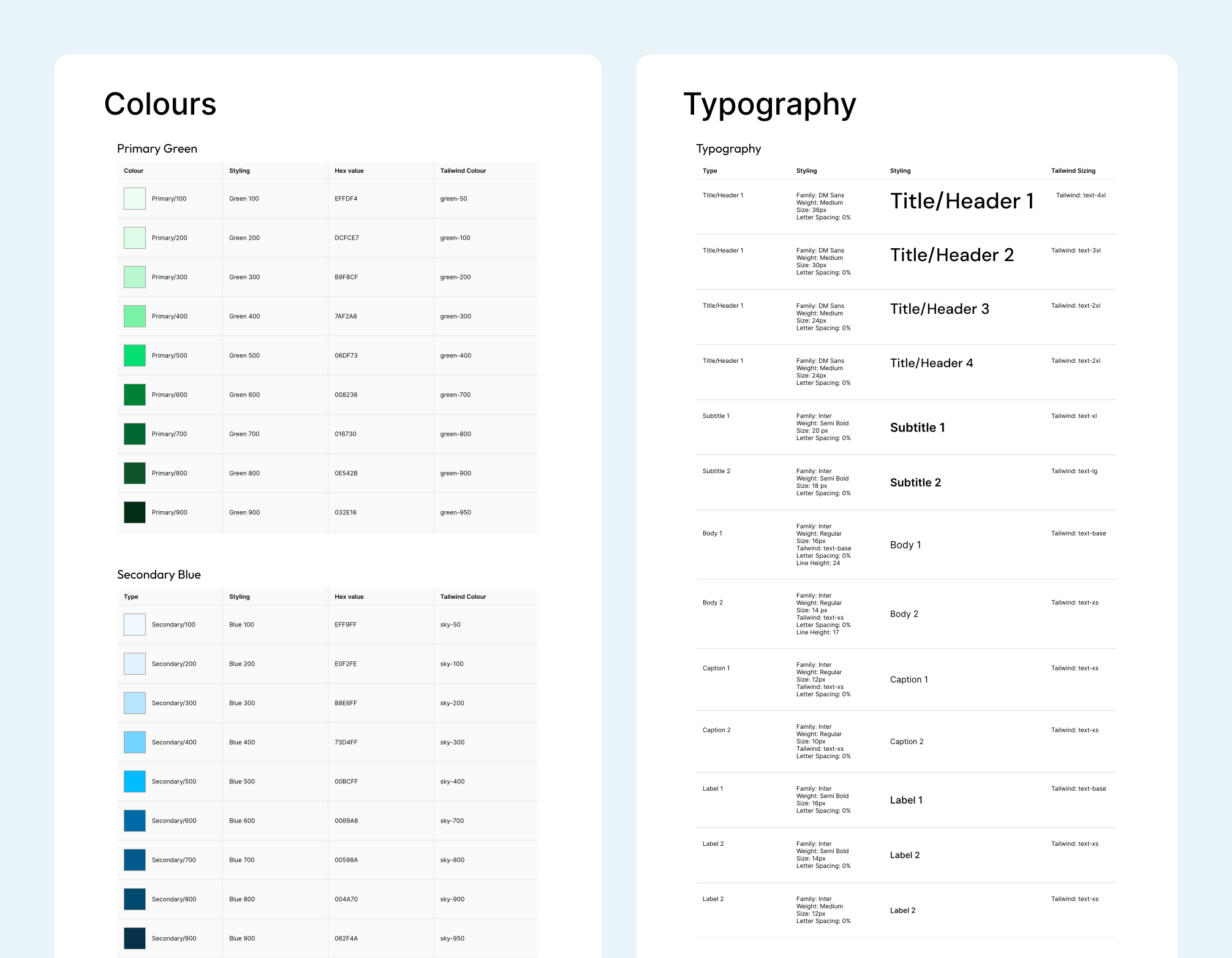
Colours and typography.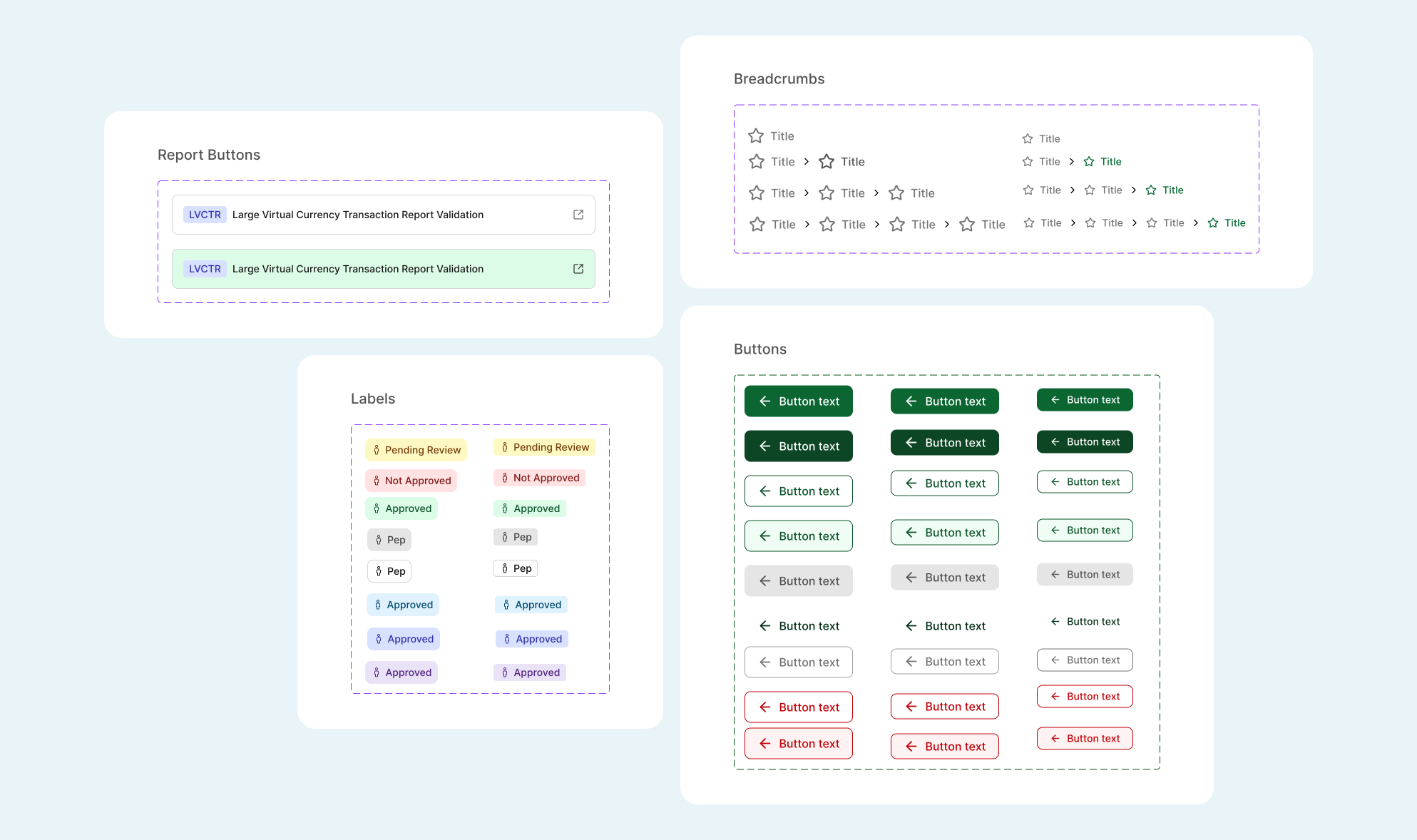
The lack of reusable components made it difficult to scale the product
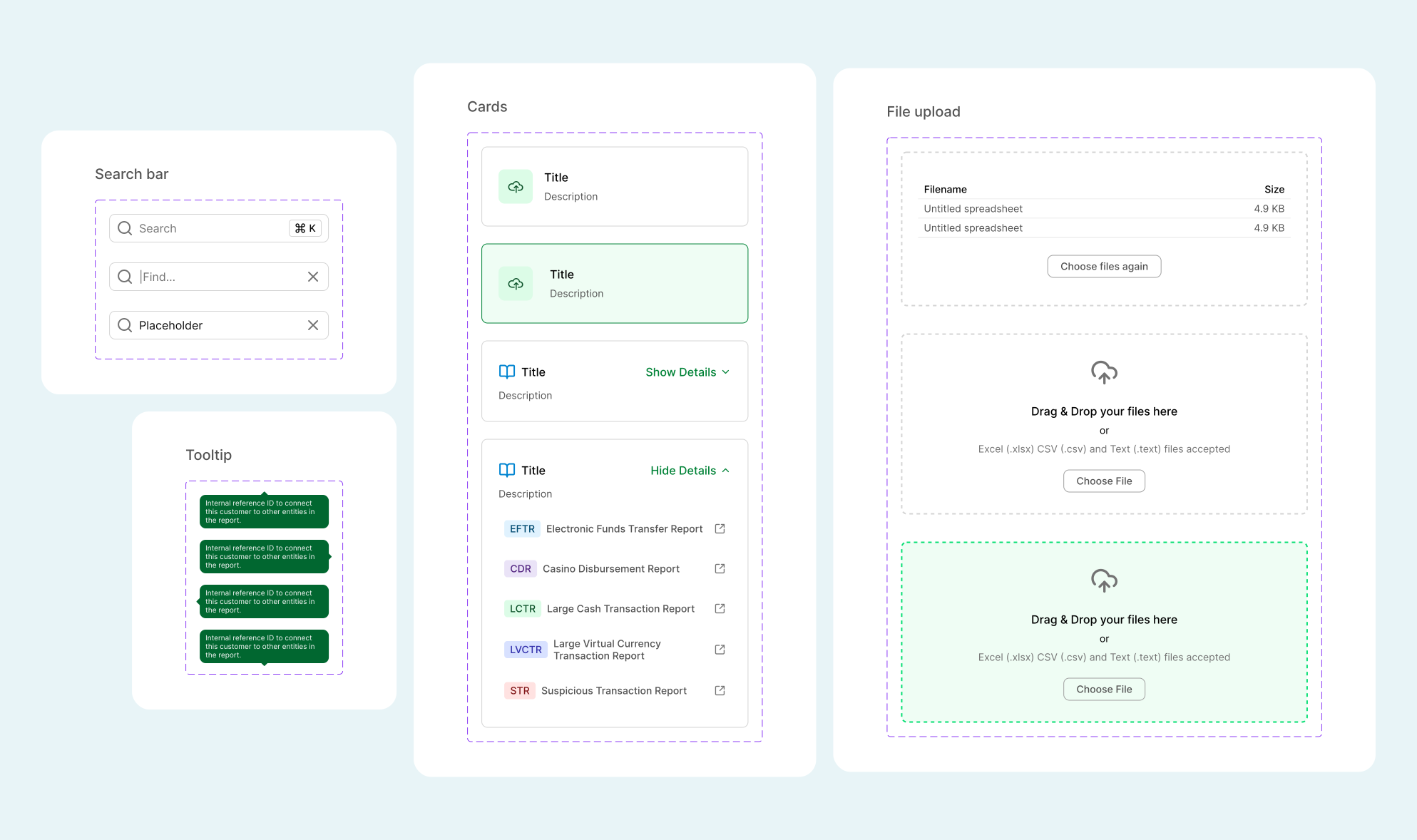
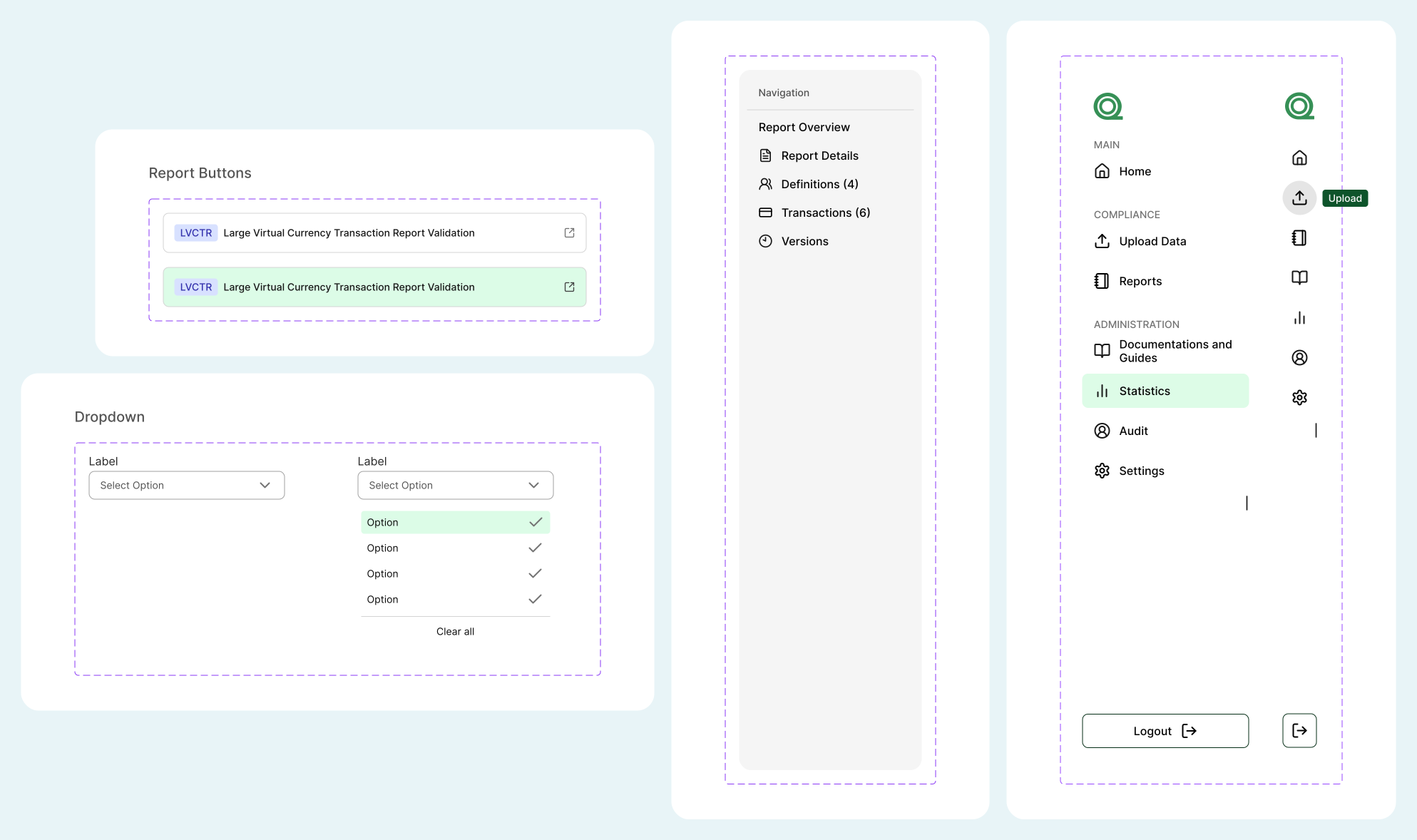
50+ component design system to scale and improve development handoff
Life before the design system: accessibility issues, inconsistent UI, and unclear system feedback
How might I create a scalable design system that unifies the product experience, streamlines design–developer handoff, and improves accessibility?
Auditing the existing product revealed usability gaps

Lack of colour contrast with the text.

Inconsistent patterns with spacing and styling.

Lack of feedback states

Inconsistent spacing and unnecessary emojis reduced professionalism.
The developers didn't see the value of a design system...they were focused on building
THINKING LONG-TERM
Even though it meant taking time to build the design system, the long-term benefits were evident:
Save time on tedious development + cleaner code
Build reusable components to standardize and reduce developement time.
Improved usability
Consistent, accessible design to improve the user experience.
Long term scalability
Less time spent on design and development in the long run.
Professionalism + visual appeal
UI that makes the company look professional and legit.
I prioritized three main things when building out the design system ...
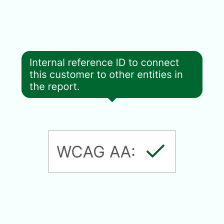
Accessibility
Ensuring accessibility is built into the components
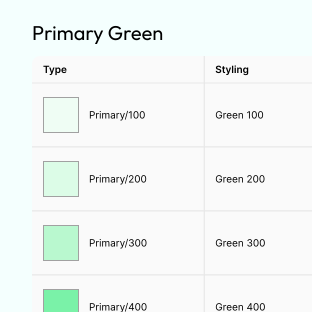
Consistency
Creating a consistent system with colour, typography and style
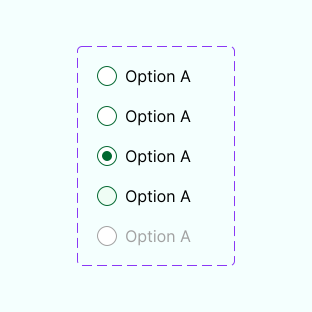
Reusability
Build reusable components that can be used across multiple interfaces
Revisiting the same components over and over again
Image
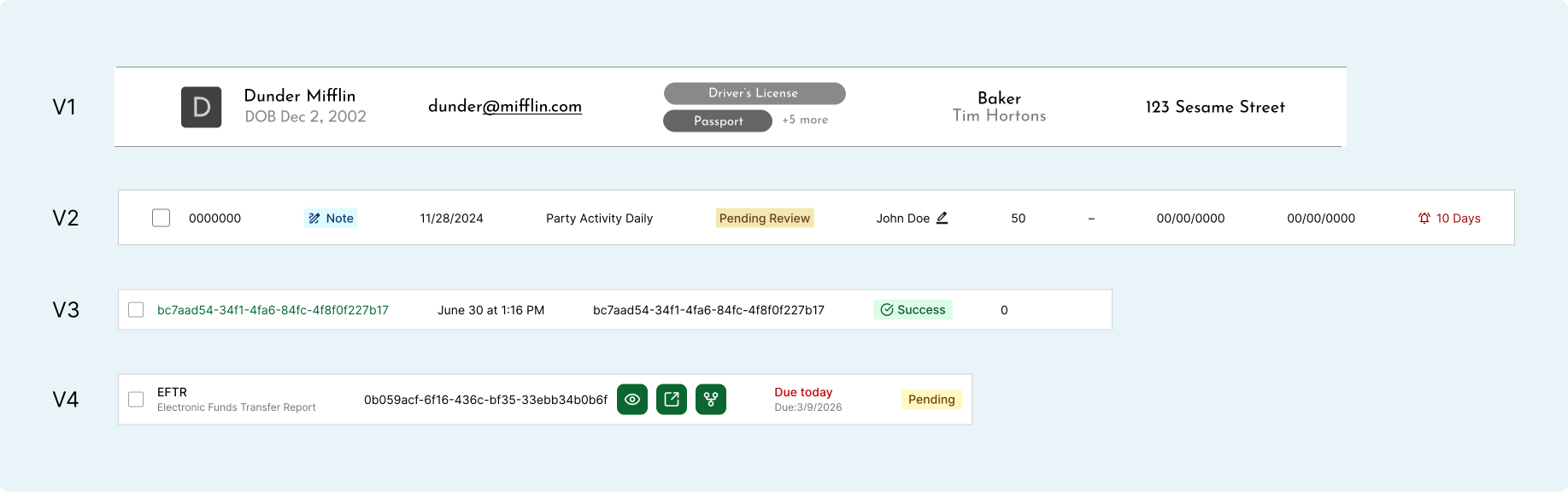
Different versions of the table row.Leveraging a 50+ component design system in a fast moving environment
Learning from existing systems and building a maintainable design system
Design is never linear
With hiccups along the way and many back-and-forths with developers and users, I learned to see design as a dynamic process where you must always question design choices, iterate, and focus on progress over perfection.
Embracing ambiguity
There was a lot of ambiguity around what the product should be, especially in the beginning. I learned to become more comfortable with the unknown and see it as an opportunity to explore and ask deeper questions.


Product Design • Shipped 2025