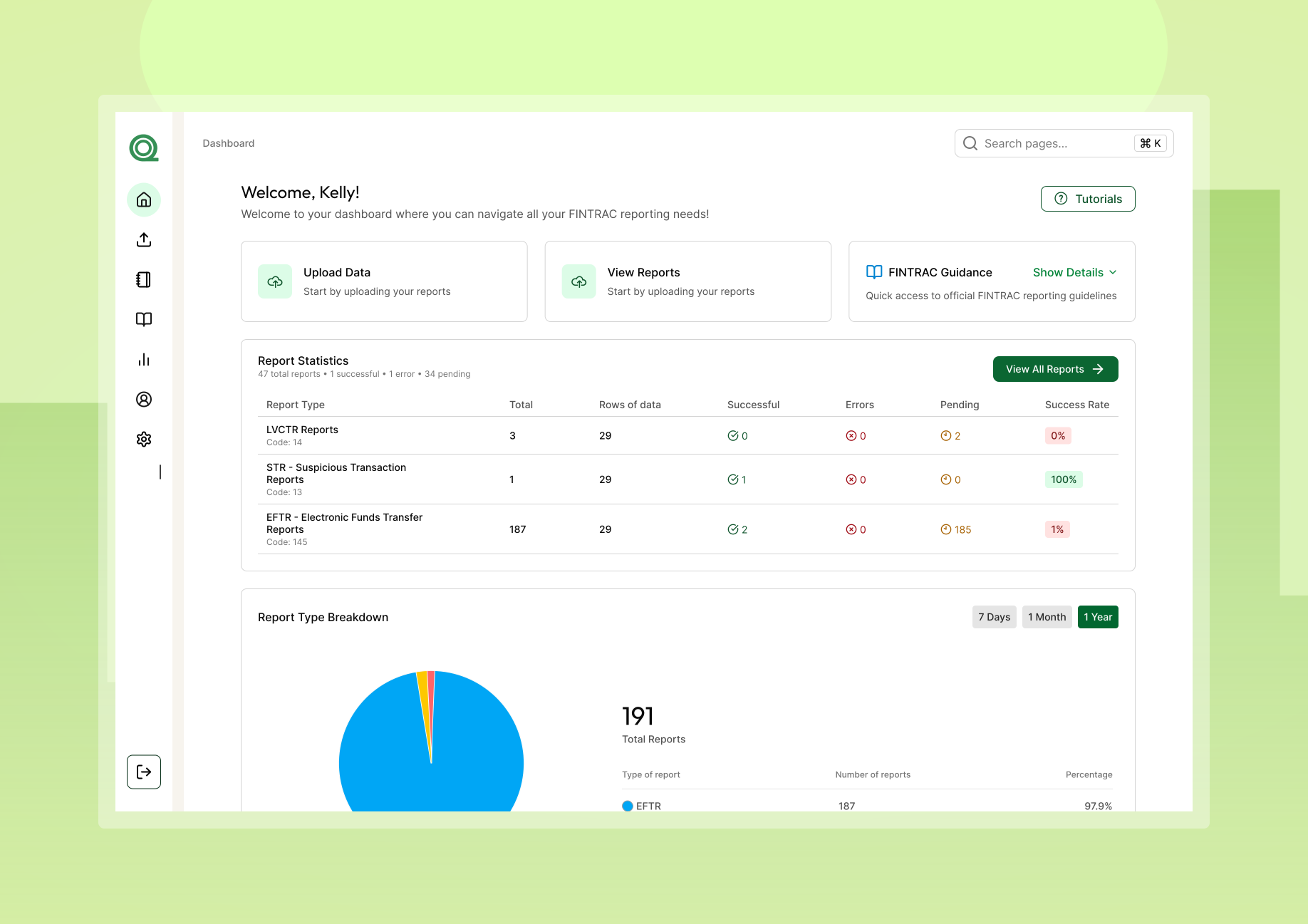
Product Design • Shipped 2025
Leading the design team to create our most interactive website yet with 30,000 views!
- Timeframe
- 4 months
- Role
- Lead Designer
- Team
- 2 Product Designers, 1 Graphic Designer, 5 Software Engineers
- Skills
- Product Design, Visual Design, Prototyping, Frontend Development, User Research
Transforming a hackathon landing page into an interactive experience
Building on previous years, I saw an opportunity to move beyond a static website experience, using storytelling, interactions, and animation to create a memorable hackathon website that stands out from the rest.
Bringing the theme, Identity to life
3,500+ applications
83% from 2024
30,000+ website views
10K from 2024
12 interactive animations
10 more than 2024
Students want to see an interactive website showcasing past highlights, theme & sponsors
“Past years project winners (especially within the last 2 years)”
“Make it more creative and interactive”
“If the sponsors are cool or if there is a cool theme to the hackathon”
How might we design a website that encourages students to apply, clearly communicates our event, and keeps navigation intuitive and effortless?
How can we create a memorable web experience that engages students and attracts sponsors?

Image
Early feedback highlighted a disconnect between theme concepts and website flow.
Image
Information and visual flow of our landing page.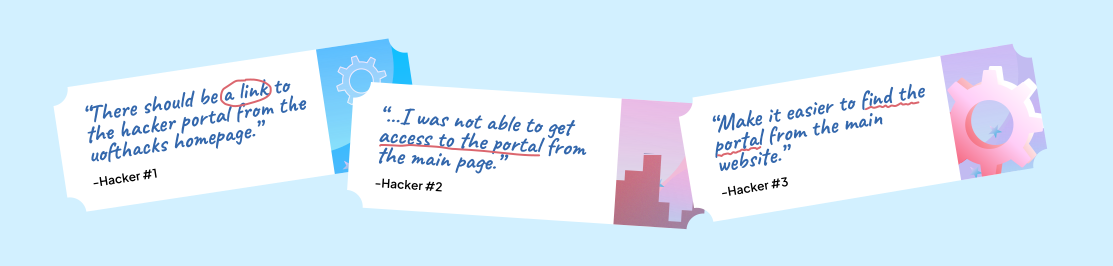
Image
Feedback from students to improve navigation.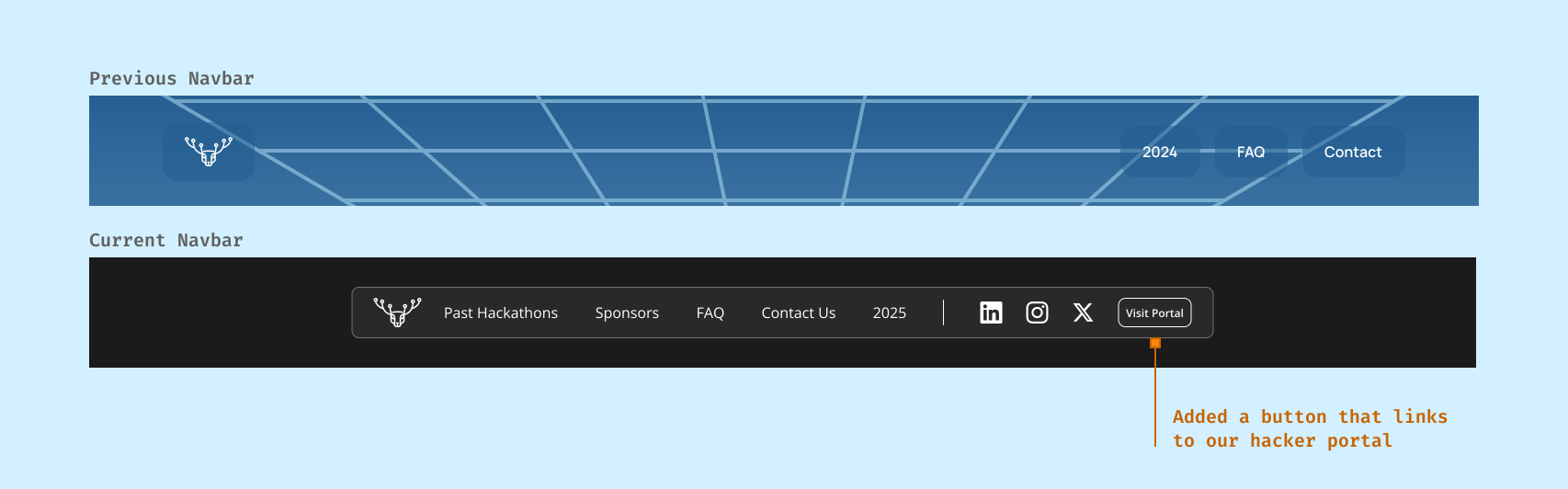
Image
Previous navbar and current navbar.Enhancing website interactions with 12+ animations

Image
Different types of animations on our landing page.Our website was more interactive, but low website performance made us rethink our approach
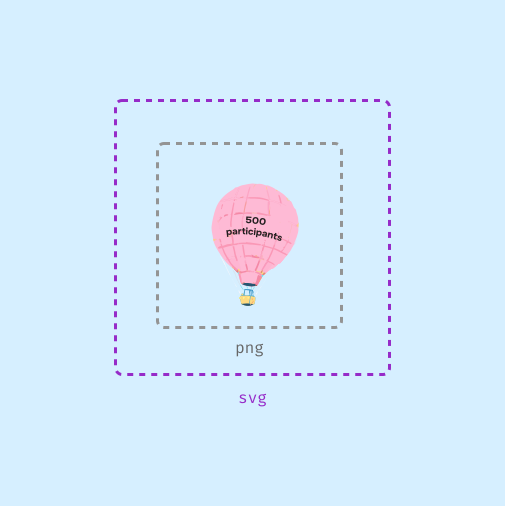
Converting pixel-based graphics to SVG did not make them true vector graphics.
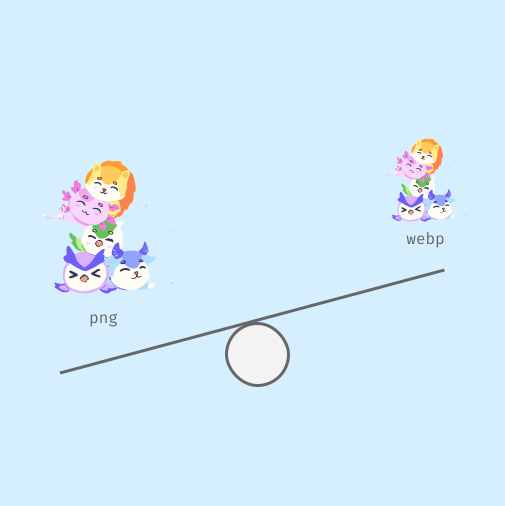
Size disparity between png and webp files.
Animation compatability

Lack of webm animation compatibility with Safari.

Opted for a stagnant illustration on Safari.
Responsiveness

Desktop design

Mobile design
Pushing designs to create a refreshing brand that engages more students than ever before!
Students can shuffle through past event photos...
choose their unique avatar...
explore student testimonials and more!
Embracing new challenges to build something special for UofTHacks 13

Image
Analytics for our landing page over the course of our campaign.Taking on a new role and pushing the boundaries of design and development
Never hold onto ideas tightly
This project was a roller coaster of pivots and back-and-forths with my team and development. Balancing branding and product design meant constantly stepping back to see the bigger picture, reassess decisions, and adapt as the project evolved.
Taking charge when needed
With many designers and ideas, I learned early on to be decisive about direction and timelines, preventing discussions from going in circles.
Communication early is key
This was our first time working on a wide range animations for the web, so communicating early with the front-end lead, creating code mockups, and building design prototypes helped the team gauge feasibility and understand technical constraints.


Some of my favourite memories from UofTHacks
Image 1: Hanging out with the team at Major League Hacking's organizer event, Hackcon. Image 2: Photo with my team taken using our virtual photobooth.